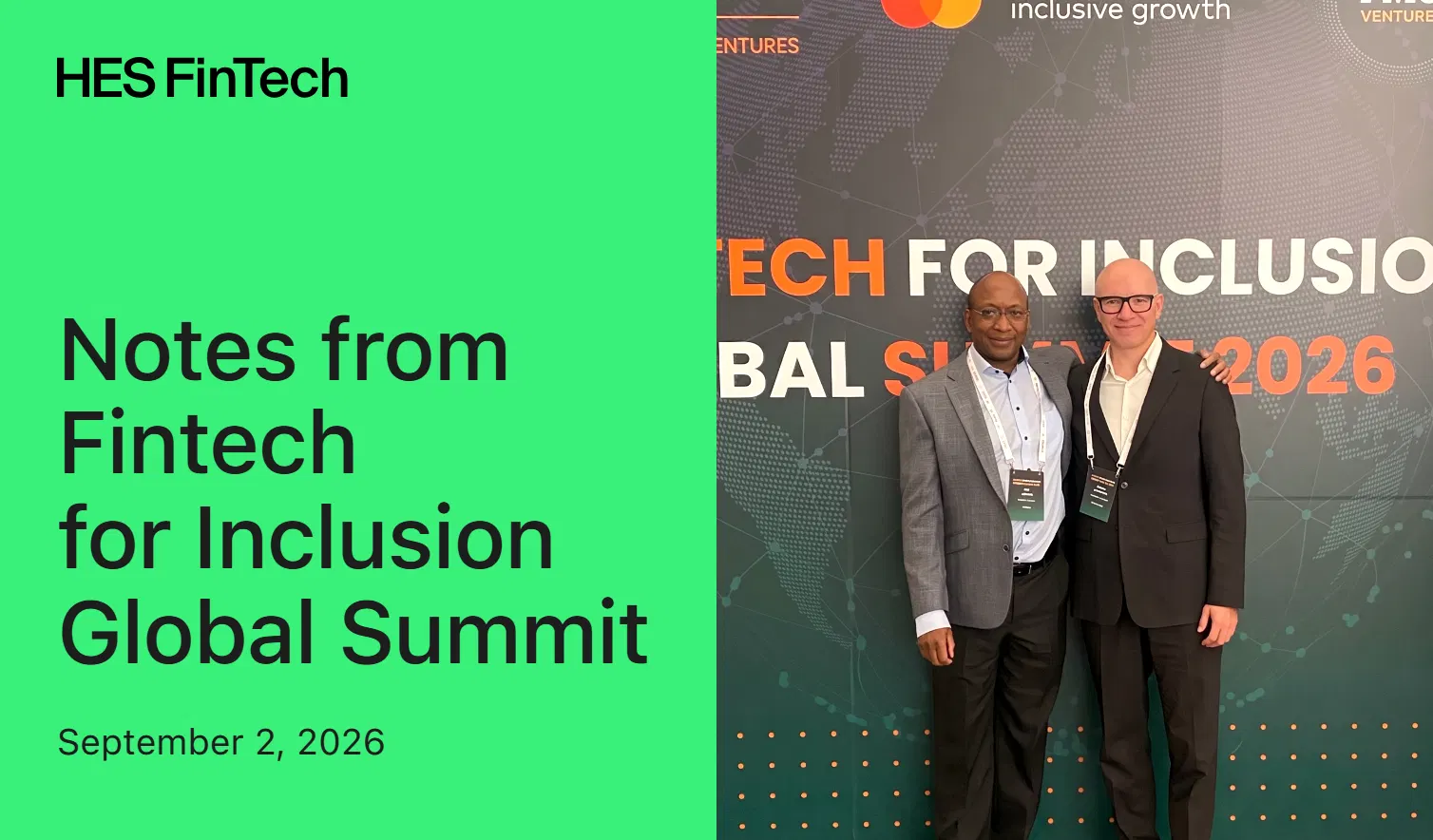
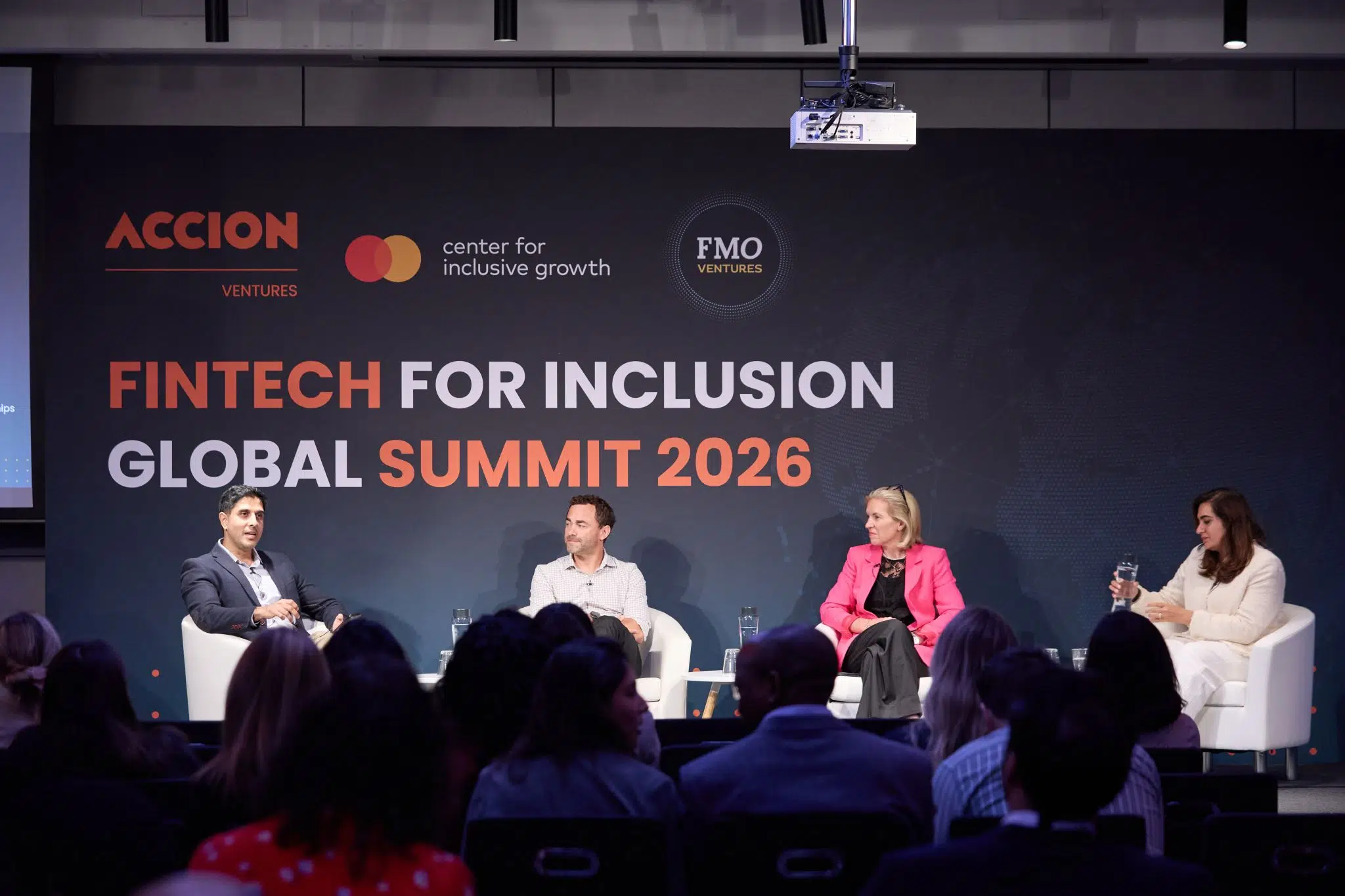
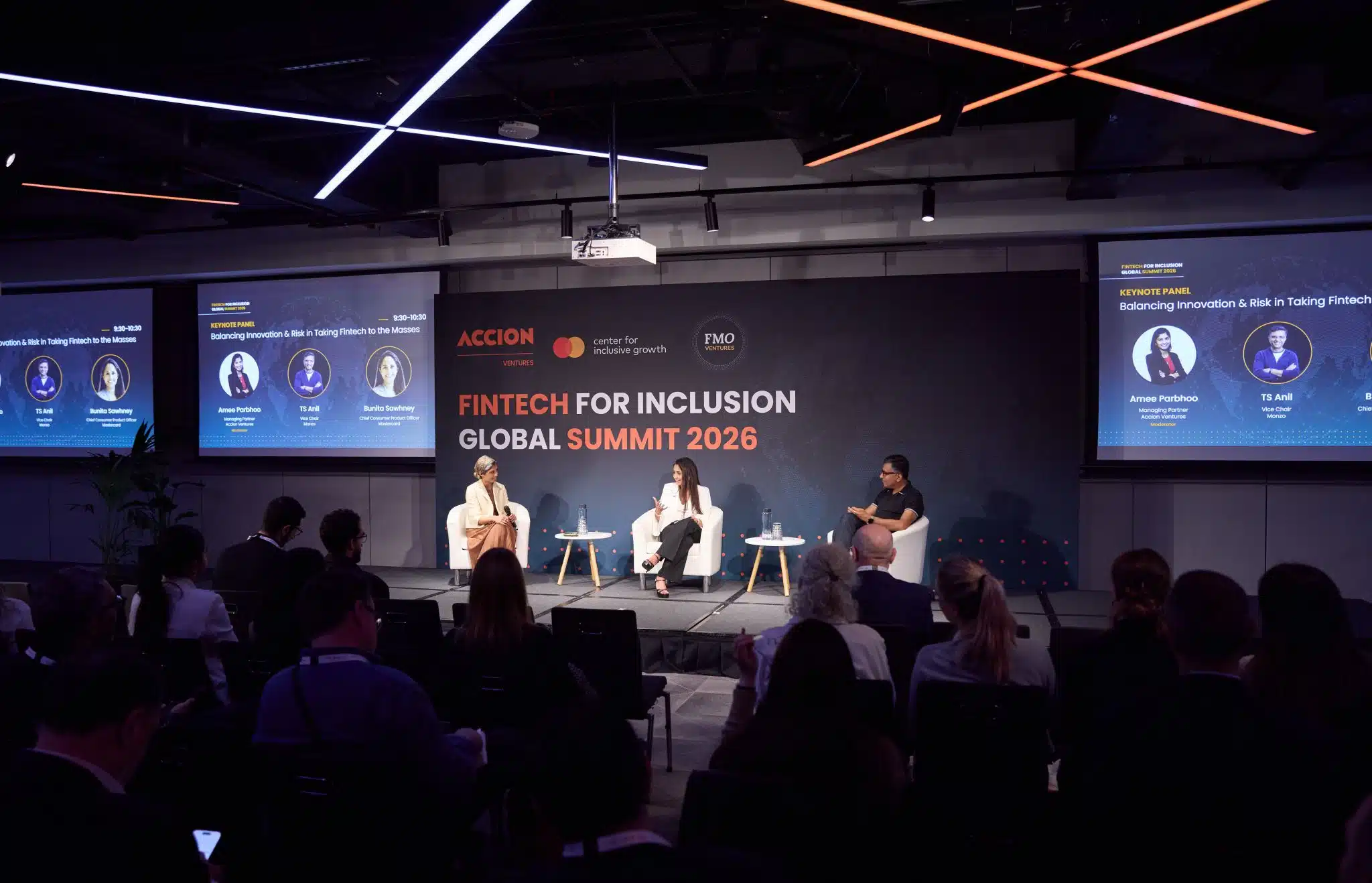
On September 2, Accion Ventures, the Mastercard Center for Inclusive Growth, and FMO convened the Fintech for Inclusion Global Summit in London, a biennial gathering for the operators, investors, and partners building financial tools for underserved populations and small businesses.
According to the organizers, this year's edition brought together more than 250 attendees from over 30 countries, among them 65-plus startups and 75-plus investors. It spotlights the founders building financial products for underserved users and the investors and institutions backing them. The announced program centered on AI in fintech, cross-border payments, and MSME resilience.
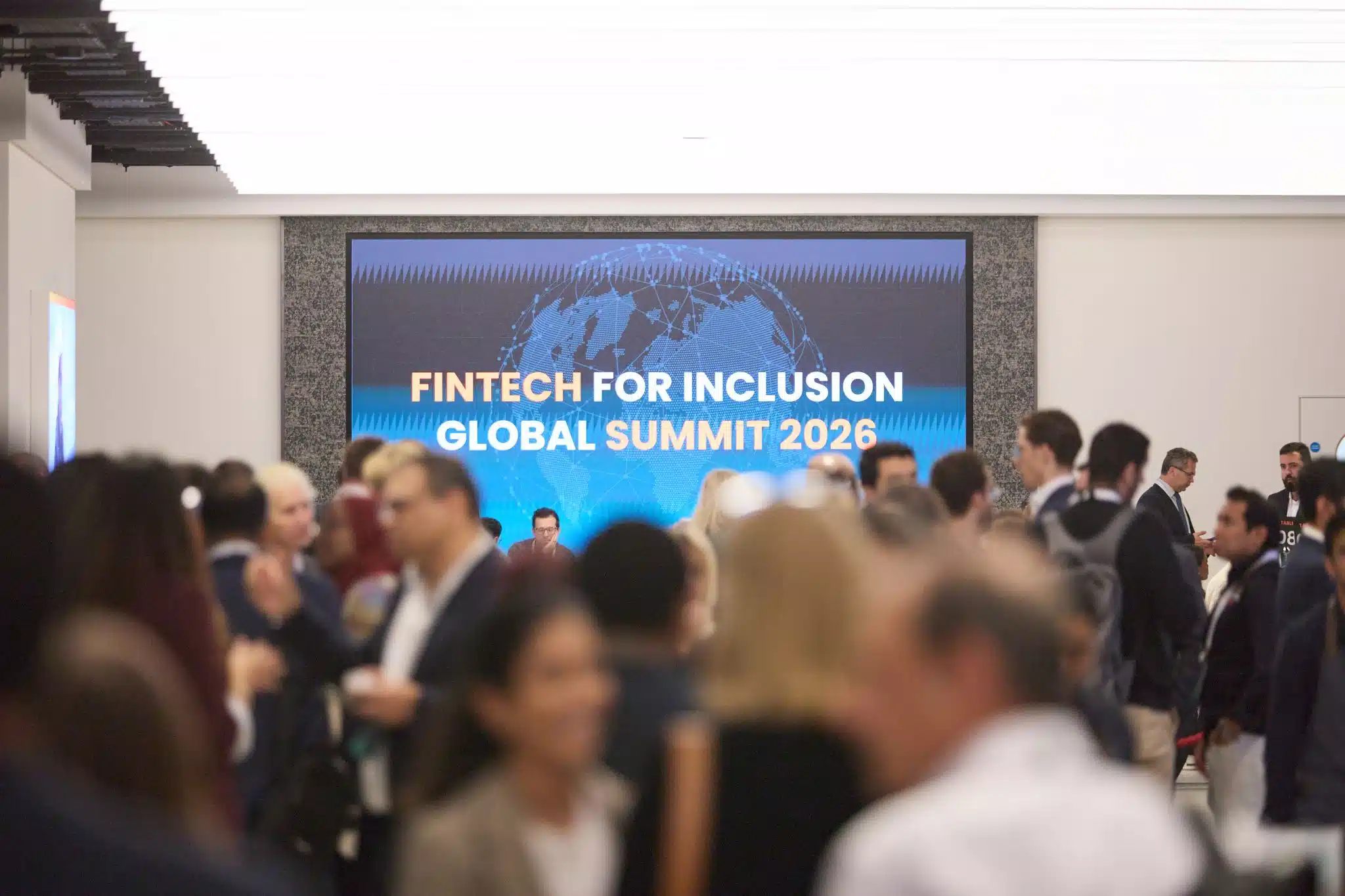
Andre Kravchenko, Senior Vice President at HES FinTech, attended the Summit. The discussions tied directly into HES FinTech's partnership with Accion. The two organizations are exploring how AI-based decisioning and automation can help financial institutions extend credit to underserved customers and serve them at a lower cost.
Financial inclusion is usually measured by access: who has an account and who can borrow. A recurring point at the Summit was that access alone does not make lending to underserved customers work.
For lenders, sustainable financial inclusion depends on three building blocks: the ability to underwrite the customer, serving them at an economically viable cost, and creating enough trust for them to adopt and continue using financial services. Technology, and increasingly AI, is changing all three.
1. Underwriting: Expanding Who Lenders Can Assess
According to the World Bank's most recent Global Findex, roughly 1.3 billion adults still sit outside the formal financial system. The discussion at the Summit highlighted one more factor worth considering: the financing gap facing micro, small, and medium enterprises, which the International Finance Corporation measures in the trillions and scopes to emerging markets.
Yet the underlying underwriting problem is not confined to emerging markets.
Bureau-based credit scoring works best for borrowers with conventional, documented credit histories. This can leave potentially creditworthy customers poorly represented: self-employed and gig workers, recent immigrants, and, in Gulf markets such as the UAE, the expatriate and non-salaried workforce with short local credit histories. A bureau file holds little or no data on them. Yet, absence of conventional credit history does not necessarily mean absence of creditworthiness.
Open banking, transactional, behavioral, and other alternative data can provide a broader picture of a borrower: what they earn, how consistently income arrives, how money moves through their accounts, what obligations they carry, and how their financial behavior changes over time. Machine-learning models are what make that wider and less standardized data usable for decisioning.
Source: fintechforinclusionsummit.com
HES FinTech Approach
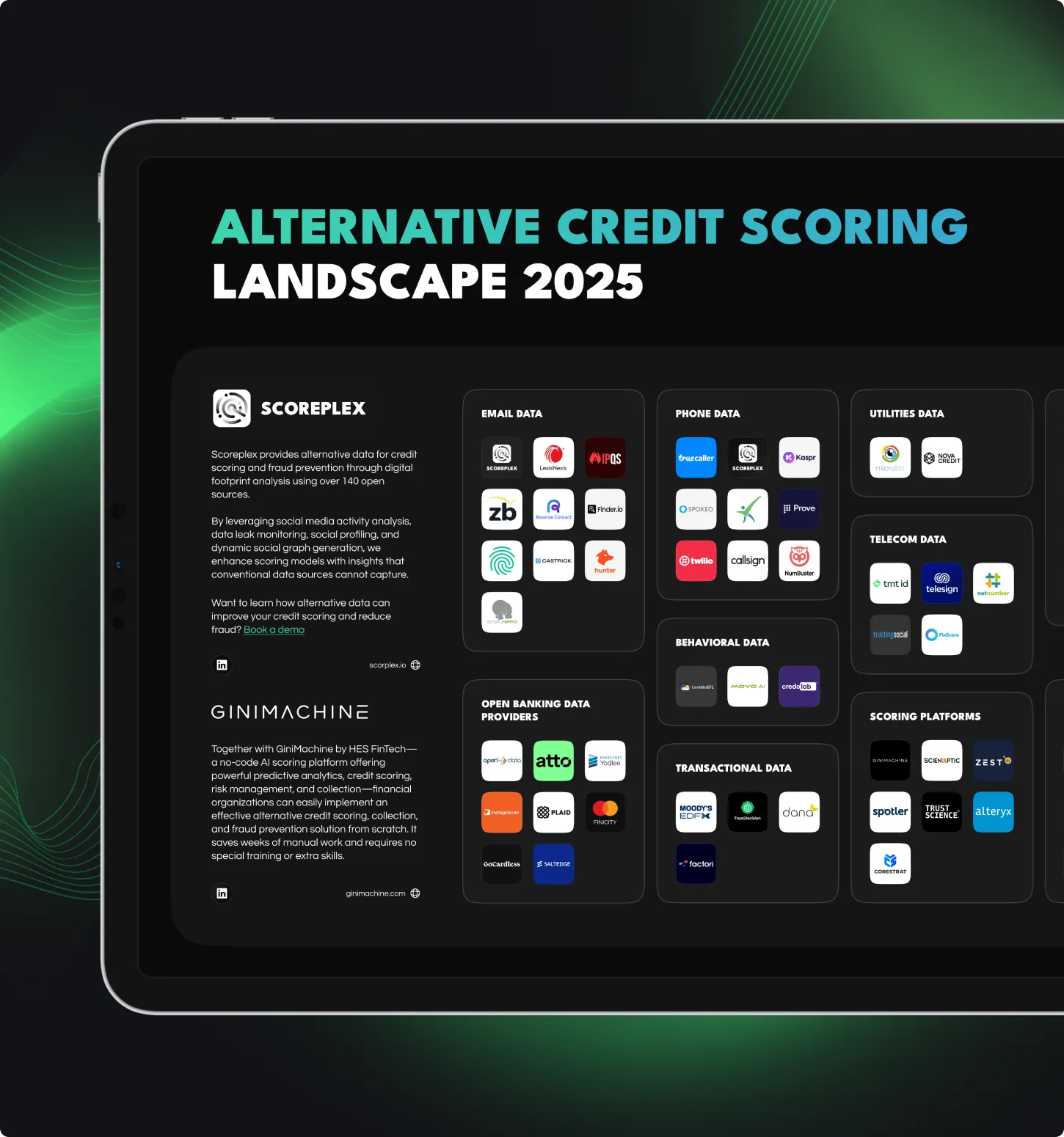
GiniMachine, a product separate from the HES LoanBox lending platform, builds and validates a predictive scoring model on a lender's own historical lending data and returns explainable outputs a risk officer can review. Because it learns from the data a lender holds rather than from a bureau score alone, it can also weigh behavioral and transactional signals wherever a lender has them.
2. Cost to Serve: Making Inclusion Economically Sustainable
Scoring a thin-file borrower solves only part of the problem. The other part, serving that borrower at a profit, came up just as often at the Summit.
The investor conversation has moved away from headline growth and paper valuations toward realized returns and cost discipline. In a harder exit environment, what counts is capital actually returned, not unrealized markups. That pressure pushes lenders toward a lower cost to serve, and automation is one of the ways to reduce it.
The challenge is highest in smaller-ticket lending, where a small loan still runs through onboarding, identity verification, underwriting, documentation, disbursement, servicing, customer support, payments, and collections. At each of these steps, automation and agentic AI can have a significant impact on financial inclusion.
Traditional workflow automation has already reduced manual intervention in predictable processes. Agentic AI can take this further by handling more complex, multi-step activities: interpreting information, determining next actions, communicating with customers, coordinating tasks across systems, and escalating exceptions when human judgment is required.
Fido, a neobank serving about 1.5 million customers across Ghana and Uganda, processes roughly 200,000 applications a month with AI and machine learning. According to its CEO, Alon Eitan, 95% of those customers have no credit file, and applying agentic AI across the back office, from marketing and reconciliation to collections, lowers operating costs enough to make high-volume, low-value lending viable. The Fido case separates two effects: AI widens whom a lender can assess, and automation lowers what each of those customers costs to serve.
Source: fintechforinclusionsummit.com
HES FinTech Approach: From Decisioning to the Lending Lifecycle
GiniMachine, HES FinTech's own AI scoring engine, scores applications by how likely they are to be repaid. The HES LoanBox platform and newly released HES CollectionAgent are built to lower what those loans cost to run. In HES LoanBox, configurable workflows move applications through origination and servicing with fewer manual handoffs. For lenders that keep their existing core, HES CollectionAgent adds a collections decisioning layer: it ranks accounts, acts within limits the lender sets, and tracks whether a promise to pay turns into a payment. On small tickets, each manual step takes a larger share of the margin.
3. Trust: Turning Access Into Usage
Giving someone access to a financial product does not necessarily mean they will use it. For the accounts that sit dormant, the missing ingredient is trust. Customers need to trust the institution, the product, and increasingly the digital infrastructure through which financial services are delivered.
At the same time, the channels that widen access also widen exposure to account takeovers, identity theft, phishing, SIM-swap attacks, and payment fraud. Access and the controls that protect it have to scale together.
For lenders, the first control is onboarding.
HES FinTech approach
HES LoanBox runs KYC and KYB checks alongside sanctions screening, and it can add step-up identity and document checks, so a lender can verify who is on the other side of an application before extending credit.
Beyond the Three Building Blocks: The Funding Side of Inclusion
The Summit also looked beyond the customer-facing side of financial inclusion, origination, and servicing decisions toward the infrastructure funding it. Tokenized real-world assets, stablecoins, and institutional networks could eventually create more efficient rails connecting global capital with portfolios of SME, microfinance, agricultural, trade finance, and other inclusive finance assets.
Technology has already made progress addressing the "last mile" of financial inclusion: reaching customers digitally, accessing new sources of data, making better credit decisions, and servicing borrowers more efficiently. The next frontier may make it easier and more efficient for capital to reach the institutions financing those customers.
For most lenders it is something at an earlier stage of adoption, but it represents an important area to watch as the infrastructure around inclusive finance continues to evolve.