Digital transformation consulting
for banks and lenders

Your core still works. That is exactly why replacing it feels dangerous. HES FinTech moves lenders off legacy in phases, not in one risky cutover. 160+ transformations, 32 countries.
Digital transformation consulting for banks and lenders
Banking and lending integrations
Banks, credit unions, and established lenders have moved off legacy with us since 2012, across very different cores and regulatory regimes.
160+
transformations delivered
A phased build puts a working modern system in production in months, running alongside your legacy core instead of replacing it overnight.
3–6 mo
to a modern core live
We have never run a rip-and-replace, because that approach fails most of the time. Every transformation we deliver is phased and reversible.
0
big-bang migrations

Why most transformations stall

The all-or-nothing trap

Rip-and-replace looks clean on a slide. In practice it means betting the whole bank on one cutover date. 94% of these projects blow past their timeline.

Nobody understands the old system

The people who built your core retired years ago. Business logic lives in code no one fully reads anymore. Migration starts blind.

Legacy eats the budget

Most IT spend goes to keeping the old system breathing. Only a few cents of every tech dollar reach anything new.

The last attempt left scars

A failed program makes the board cautious and the team defensive. The next attempt has to prove it is different from day one.

How we move you
off legacy

Four stages, each one delivering something you can run before the next begins. You are never one cutover away from disaster.
Legacy system assessment in digital transformation consulting
Modern core built alongside legacy
Phased data and workflow migration
Bank owning its modernized lending platform

Start with an honest assessment

Before any code, we map your core, your business rules, your integrations, and the risk hiding in undocumented logic. You get a modernization roadmap you could hand to your board, or to a different vendor.

$0
assessment to get started

Get your lending
product estimate
in 3 minutes

STEP: /
What we modernize

From legacy core to a system
that keeps up

Digital transformation rarely means touching everything at once. We modernize the domains that hurt most first, then work outward.
Core lending system modernization
Origination modernization in digital transformation consulting
Servicing and operations modernization
Data and reporting after legacy migration
Modern customer and staff channels

Core lending system

The engine: loan accounting, product configuration, interest and fee logic, the rules your whole book runs on. We rebuild it on a modern, configurable foundation you can change without a vendor ticket. Learn more Core lending system

Origination and decisioning

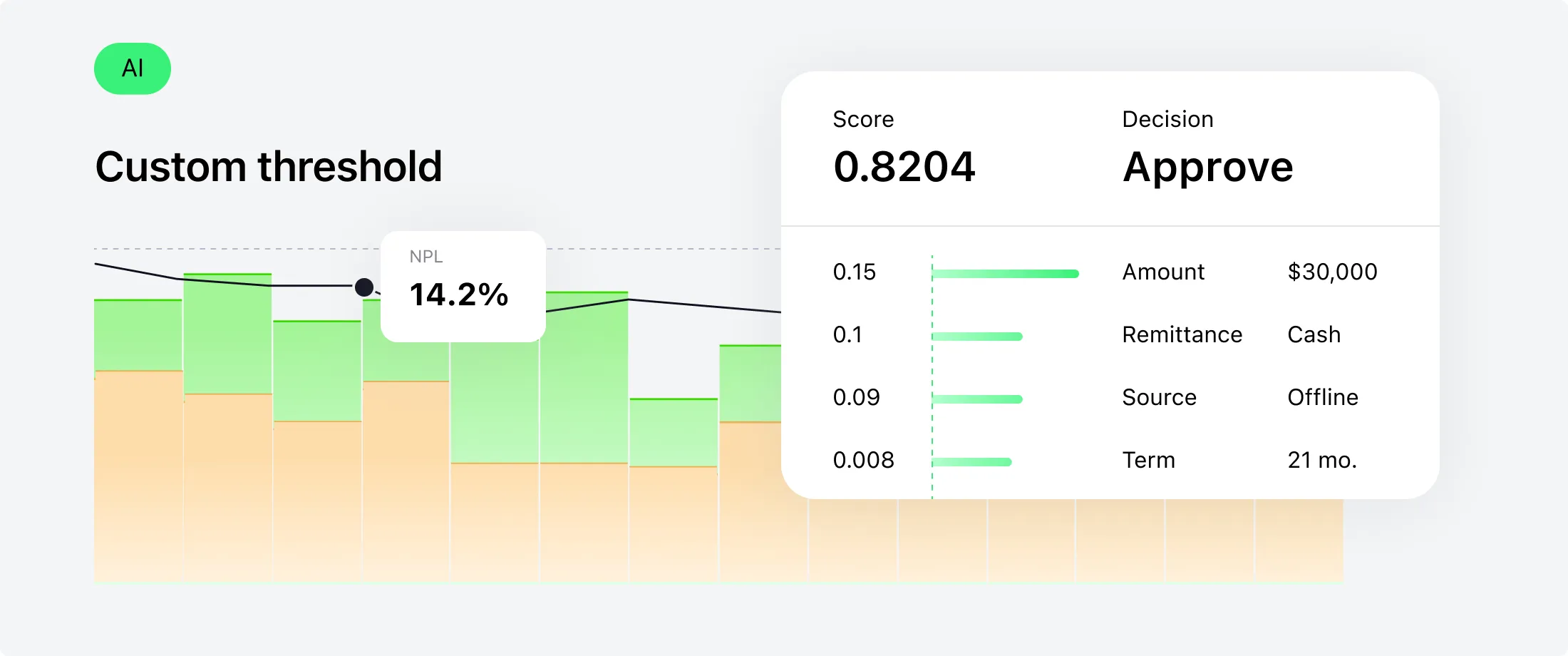
Replace paper-era application flows with configurable digital journeys, automated underwriting, bureau and alternative-data pulls, and AI scoring through GiniMachine. Learn more Origination and decisioning

Servicing and operations

Modern servicing for every product you run: payments, restructuring, statements, accounting hand-offs, with payment rails wired per market. Learn more Servicing and operations

Data and reporting

Pull data out of the silos legacy left behind. Clean migration, a single source of truth, and reporting your CFO and your regulator both trust. Learn more Data and reporting

Customer and staff channels
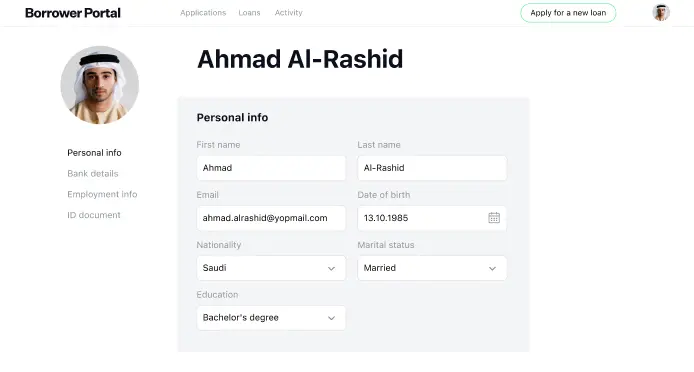
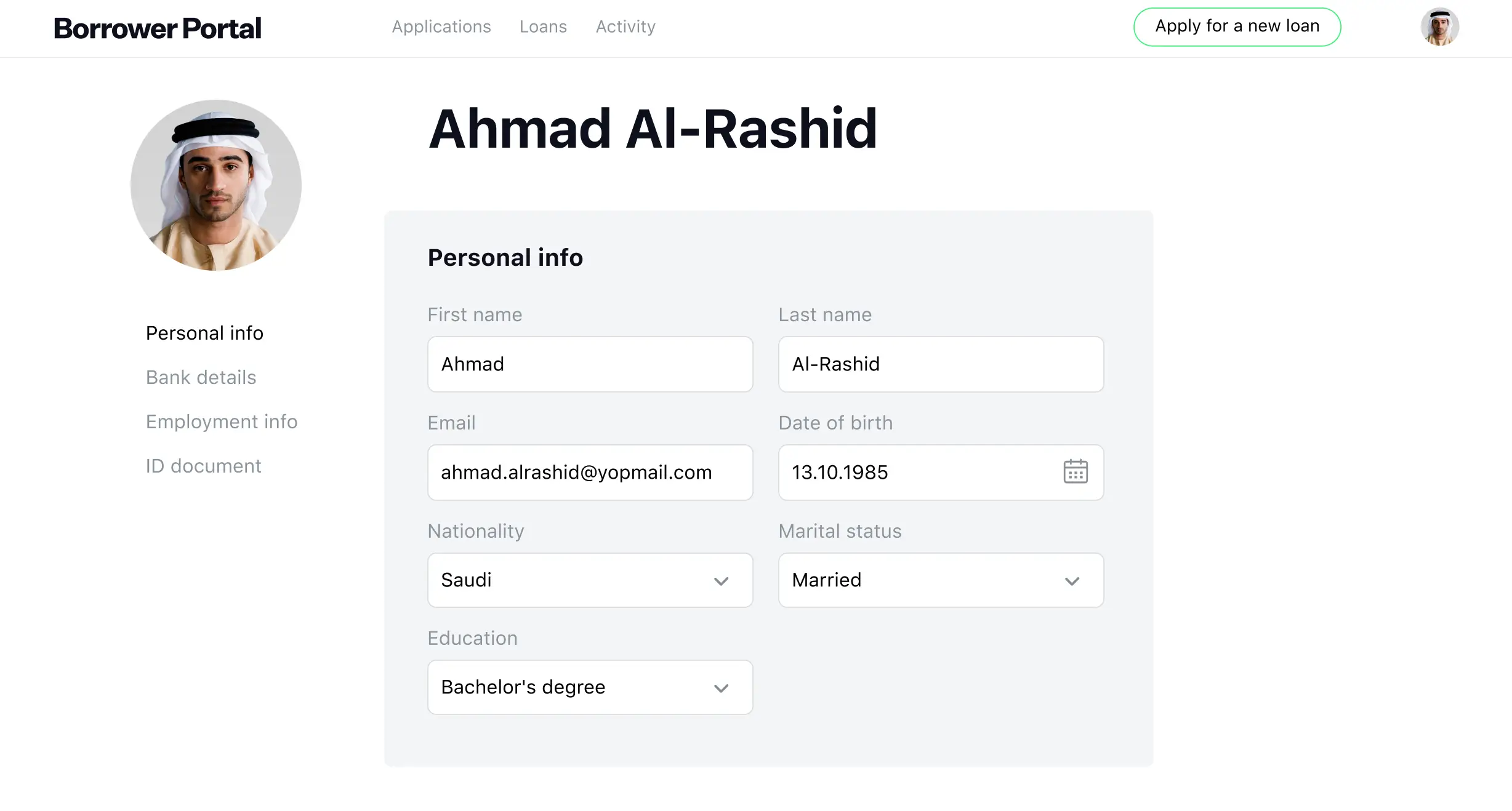
White-label borrower portals and modern staff workspaces, so the experience matches what customers now expect from any fintech. Learn more Customer and staff channels

Why lenders trust us
with the hard part

We have seen your core before

160+ transformations across 32 countries means your legacy system, however strange, is probably not new to us. Fewer surprises, fewer dead ends.

No rip-and-replace, ever

We run the modern core alongside the old one and migrate in phases. You are never betting the whole bank on a single cutover weekend.

You own what we build

Take the developer license and the full source code at any point. Your transformation does not end in a new kind of vendor lock-in.

We speak lending, not just code

Our analysts understand covenants, NPLs, regulatory cycles, and core accounting. You are not teaching a generic dev shop how lending works.

Success stories

client
HES FinTech has been our reliable technology partner since 2012. I believe much of our success is due to the well-architected HES LoanBox solution.
photo
Boris Batine
Co-Founder, ID Finance
client
HES FinTech offers comprehensive front-to-back solutions with integrations. Our machine learning platform will allow clients best-in-class investment advice.
photo
Edward Downpatrick
Strategy Director, Fintuity
client
In just 6 months, we went from storing all our data in Excel to a fast, reliable, and user-friendly platform that caters to our specific needs.
photo
Hjortur H. Jonsson
Partner, ALM Securities
client
HES FinTech developed our lending software and predictive analytics. Their expertise delivered automation, clear UI/UX and customer portal.
photo
Mazen Alasnag
Head of Loan Management, Wa'ed
client
The LMS provided flexible repayment options, automated restructuring and branch-level management, enhancing efficiency and risk mitigation.
photo
Urnukhjargal Badam
CEO, Tavan Bogd

The 2026 reality of
bank modernization

94%
of modernization projects run over
IBM research finds 94% of core modernization projects exceed their timelines. Almost always the all-at-once ones. Phasing is the fix.
70%
of bank IT budgets locked in legacy
McKinsey shows most bank IT spend goes to keeping legacy alive instead of building anything new.
40%
of banks going phased by 2026
IDC projects 40% of banks will run modern cores alongside legacy by 2026, rising to 70-80% by 2028. Big-bang is dying out.
12–24 mo
banks vs fintechs on launch speed
Banks on legacy take 12 to 24 months to launch a product. Fintechs on modern stacks need 3 to 6. The gap is the cost of waiting.
Security
Deployment
Tech stack

Security a regulator
can examine

ISO 27001-certified ISMS, SOC2 controls, SDLC reviews on every release. Data encrypted at rest and in transit. Role-based access, 2FA, and audit logs cover every action, which matters most while you operate two systems mid-migration.
Learn more

Cloud, on-premises,
or hybrid

Deploy on AWS, Google Cloud, or Azure, keep the modern core on-premises next to your legacy one, or split across both with sensitive data kept in-country. Deployment follows your compliance team, not our pricing page.
aws

A stack built
to outlast the project

Java LTS, Spring, PostgreSQL, Camunda BPMN, Form.io modeler, Kubernetes orchestration. All open-source, no per-component license fees. The same stack runs in production across 32 countries, including for regulated banks.
Technology architecture behind the HES lending platform

Begin with a free
assessment

See where your legacy stands and what a phased move would look like. HES FinTech handles the rest.
Start your digital transformation with a free assessment

FAQ

What is digital transformation consulting for a bank?

Digital transformation consulting helps a traditional lender move from aging, hard-to-change systems to a modern stack without disrupting the business that runs on them today. For a bank or credit union, that usually means assessing the legacy core, planning a phased path, modernizing the domains that hurt most, and migrating data and customers in controlled stages. HES FinTech approaches it as an engineering problem grounded in lending, not a slide deck. We map what you run, build a modern core alongside it, and move you over piece by piece, so the transformation stays reversible at every step instead of hinging on one risky cutover.

Do you replace our core or work alongside it?

Alongside, almost always. Rip-and-replace is where most modernization programs fail, because a single cutover date puts the entire bank at risk. We stand up a modern core next to your legacy one and let them run in parallel. New products and pilot segments launch on the new platform while your existing book keeps operating untouched. As each domain proves itself against the legacy benchmark, we migrate it over. This sidecar approach is now the direction the whole industry is moving, and it is how we have run transformations for 160+ lenders without a big-bang migration.

How long does a transformation take?

A modern core can be in production in 3 to 6 months when it runs alongside your legacy system, because you are not waiting for everything to be perfect before going live. Full migration off the old core takes longer, typically measured in domain-by-domain phases over the following 12 to 24 months, depending on how many products you run and how tangled the legacy data is. The honest answer is that complex transformations run longer, which is normal. The point of the phased model is that you get value early and keep control of the timeline, rather than committing to a multi-year date and hoping.

What happens to our data during migration?

Data is the part that keeps boards awake, so it moves last and most carefully. Before any migration, we map your data model and the business rules buried in legacy code, then move one domain at a time. Each migrated set is reconciled against the legacy source and validated before that phase is signed off. Because the modern core runs in parallel, the legacy system stays available as a fallback until you are confident. Nothing is deleted on the old side until the new side is proven. That is what reversible means in practice, and it is the difference between a controlled move and a leap of faith.

Do we own the system afterward?

Yes. With the developer license you receive the full source code and can read it, change it, deploy it, and host it on your own infrastructure. Your transformation does not end by trading one vendor dependency for another. There are no per-user fees, no buy-back clauses, and no licensing tail if you decide to run everything in-house. Most lenders keep us on as a long-term partner because they want the team that knows their system close by, not because a contract forces them to. Ownership of what we build together stays with you, which is rare in core banking and central to how we work.

How much does it cost to start?

The first step is an assessment, and it is designed to be low-commitment rather than a sales call. We look at your core, your integrations, your data, and the risk hiding in undocumented logic, then come back with a modernization roadmap and a realistic, phased estimate. Pricing for the build itself is a setup fee plus a recurring platform license, not a percentage of your loan book or a per-seat charge, so cost scales with engineering effort rather than with your growth. You see the cost picture before committing to the build, which means the budget conversation with your board starts from facts, not from a vendor's wishful timeline.